The short answer
Stay out of any water near electrical equipment, then shut off the water at the nearest valve or the main valve. Soak up and contain the water, photograph everything and read your meter, and then call the right person: an electrician for hazards, a plumber for a known fixture, a leak detection provider for an unknown source, and your insurer about damage.
Minutes 0 to 5: How do you stay safe and stop the water?
Safety comes before saving belongings. Check for water near outlets, appliances and the electrical panel before you step into a wet room, and stay out of any room where you cannot tell whether it is safe. Keep clear of a ceiling that is bulging or sagging, since a saturated ceiling can come down without warning, and be careful of hot water if the source is a water heater or hot line.
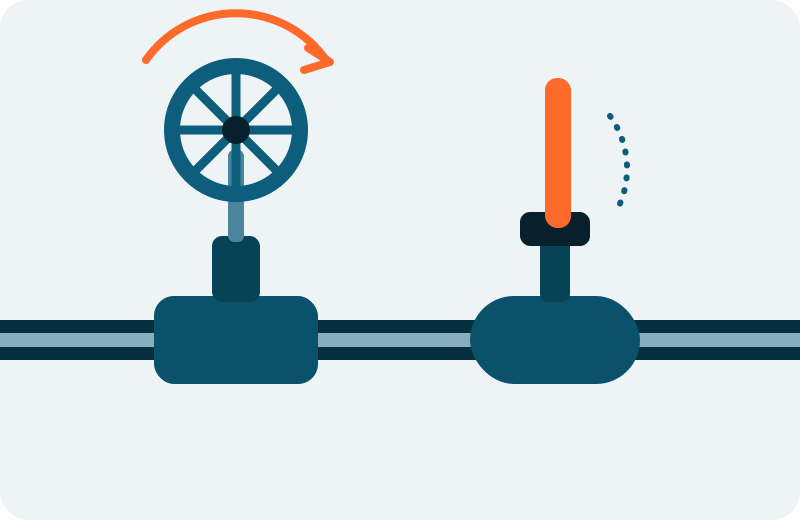
Then stop the water at the nearest point you can reach. A leaking toilet or sink usually has its own small shutoff valve on the supply line, which you turn clockwise until it stops. If you cannot isolate it, close the main valve at the house. Gate valves, which have a round wheel, close clockwise. Ball valves, which have a lever handle, close with a quarter turn so that the handle sits across the pipe. If the valve will not move, do not force it, and contact your water utility or a plumber.
Warning: electricity and water do not mix
If water is pooling near outlets, appliances or your panel, do not step into it. Turn the power off at the breaker only if you can reach the panel without crossing the wet area. If you cannot, stay out and call an electrician or emergency services.
Minutes 5 to 15: How do you limit the damage?
With the water off, your job is to keep it from spreading and soaking in. Stop the source from refilling anything, then move quickly on the following.
- Lift valuables, electronics and paperwork off the floor, and move them to a dry room.
- Pull up loose rugs and move furniture away from the wet area, placing foil or plastic under the legs if they must stay.
- Soak up standing water with towels or a mop. Use a wet/dry vacuum made for water, and keep cords out of the wet.
- If the leak is at the water heater, close its cold supply and switch off its power or gas.
- Open windows or doors for air once it is electrically safe, and run fans on a dry circuit.
Resist the urge to tear out damp drywall or flooring right away. You may need to show it to an adjuster, and you do not yet know where the water came from.
Minutes 15 to 25: What should you document?
Good records make every later step easier, from finding the leak to talking with an insurer. Spend a few minutes on this before you start cleaning up in earnest.
- Photos and a short video of the whole room, then close-ups of the damage and the source.
- The date and time you noticed it, and what you did to stop it.
- A photo of the water meter, taken after the water is off.
- A list of damaged belongings, with their approximate age and value.
- Receipts for emergency purchases, such as a wet vacuum, fans or towels.
Keep damaged materials until your insurer says they are no longer needed. If you are renting, tell your landlord or property manager in writing and attach your photos. Our home water leak test shows how to use the meter to find out whether the water is still escaping after you have closed the valve.
Minutes 25 to 30: Who should you call?
The right call depends on what you know. Use this table, and start with the first row if anyone is at risk.
| Situation | Call | Why |
|---|---|---|
| Water near live electrics, or anyone in danger | Emergency services or an electrician | Safety comes first. |
| A fixture or supply line you can see and isolate | A plumber | The source is known, so repair is the next step. |
| You do not know where the water is coming from, or it is hidden or recurring | A leak detection provider | Finding the source first avoids exploratory demolition. See hidden leak detection. |
| Water on the street side of the meter | Your water utility | That part of the system is generally theirs. |
| Damage to the structure or belongings | Your insurer | Policies often have reporting requirements. |
| You rent | Your landlord or property manager | Notify them in writing, with photos. |
What should you avoid doing?
- Do not walk under a bulging ceiling or puncture it yourself.
- Do not use fans, lights or appliances in a wet room until you are sure they are safe.
- Do not patch and paint over a stain before the source is found. It hides the evidence and can trap moisture.
- Do not ignore a musty smell, because damp materials that stay wet can grow mold.
- Do not sign a repair contract under pressure before you understand what was found and why.
What comes after the first 30 minutes?
The next job is finding out why it happened. If the source was a visible fixture, a repair may be all you need. If the water appeared with no obvious cause, the next step is detection, where listening gear, thermal imaging and moisture meters locate the leak without tearing out finished surfaces. Our guides on slab leaks and buried water lines explain those cases, and if you want to talk it through, leak detection help in Arcadia is a phone call away.
Dry the area thoroughly and as quickly as you can, because materials that stay damp are the ones that develop mold and need replacing. Ask the provider or your insurer what level of drying is expected before repairs begin.
Emergency water leak FAQs
Should I turn off the water heater if there is a leak?
If the leak is at or near the water heater, yes. Close the cold-water supply valve to the tank, and switch off the power at the breaker for an electric unit. For a gas unit, follow the manufacturer's instructions for setting the gas control to off or pilot. If the leak is elsewhere and you have closed the main valve, turning the heater off protects it from running with an empty supply.
Can I use a regular vacuum to clear the water?
No. Use a wet/dry vacuum designed for water, and keep cords and plugs out of standing water. If water is near outlets or you are unsure about electrical safety, stay out of the area and call an electrician.
Will insurance cover the damage?
It depends on the policy and the cause. Many policies distinguish sudden, accidental water damage from slow, long-term leaks, and they often have reporting requirements. Read your policy or call your insurer early, and keep your photos, receipts and any written findings.
What if I cannot find the main valve, or it will not turn?
Look near where the water line enters the house, at the water heater, in the garage and along outside walls. If you cannot find it or it will not move, do not force it with a tool that could snap it. Contact your water utility or a plumber for emergency help.
Keep reading
After the emergency, the source still has to be found. These guides cover the most common hiding places.